




The Free Trade Agreement between Mexico and the European Union (TLCUEM), in force since 2000, has transformed the trade relationship between both regions. This agreement has fostered significant economic exchange, placing the European Union (EU) as Mexico's second largest trading partner and source of foreign direct investment (FDI). Below, we analyze the statistics, key products, and specific benefits derived from the treaty.
Bilateral Trade Figures
Since its implementation, trade between Mexico and the EU has experienced constant growth:
- Business growth: Total trade between the two regions increased by more than 148% between 2000 and 2022.
- Mexican exports to the EU: In 2022, they reached approximately $27 billion, with an average annual growth of 61%3Q.
- Imports from the EU: They surpassed the $40 billion, highlighting machinery, chemical and pharmaceutical products.
- Foreign Direct Investment (FDI): The EU represents more than 35% of total FDI in Mexico, with more than 8,000 European companies established in the country.
Main Products Exported by Mexico
Mexican products that stand out in trade with the EU include:
- Cars and auto parts: They represent the 50% of exports towards Europe, with companies such as Volkswagen and BMW playing a crucial role.
- Agricultural products: Avocados, tropical fruits and processed products such as juices and purees are in wide demand.
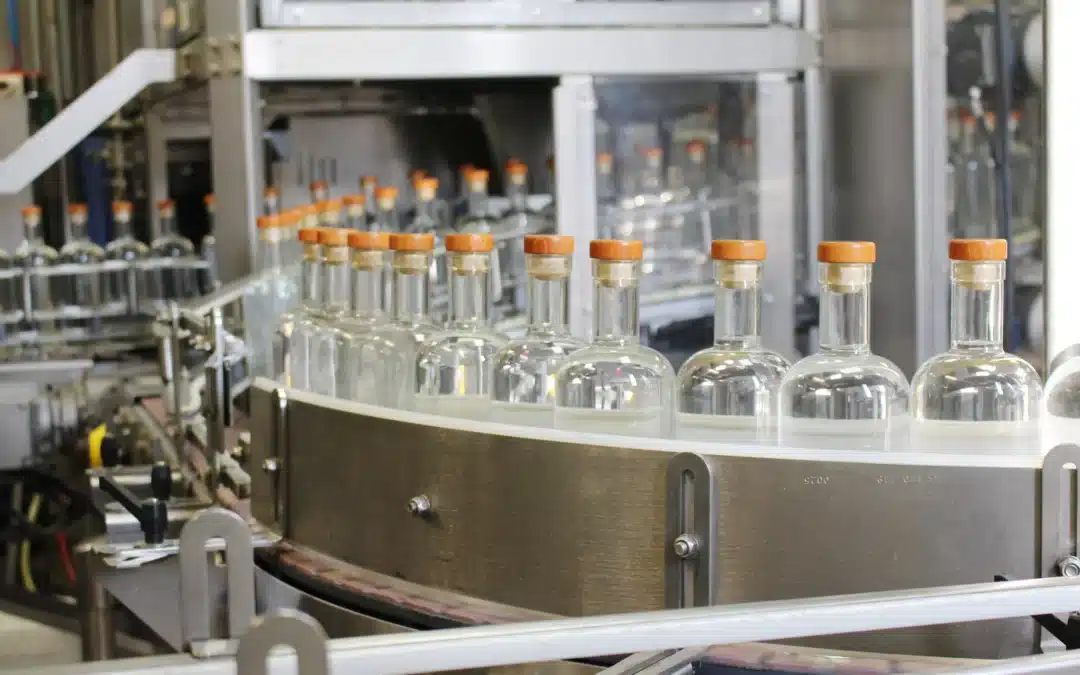
- Alcoholic beverages: Mexico exports tequila and beer, which have registered a growth of 10% annual in European markets.
- Mining: Gold and silver are an essential part of trade, representing a 15% of total exports to the EU.
Products imported from the European Union
Mexico mainly imports high value-added goods, such as:
- Industrial machinery and technologySectors such as advanced manufacturing and the automotive industry depend on these European products.
- Pharmaceutical products: The EU supplies more than 20% of the Mexican pharmaceutical market, with companies such as Bayer and Sanofi leading the way.
- Luxury goods: European brand watches, clothing and cars are in high demand in the Mexican market.
Specific Benefits of the TLCUEM
The agreement has generated multiple concrete benefits for both regions:
- Tariff reduction: More of 97% of the products exchanged enjoy reduced or eliminated tariffs.
- Opening of markets: Mexican companies gain access to 500 million European consumers, while the Europeans have a bridge to Latin America.
- Business diversification: Mexico has reduced its dependence on the United States, strengthening its economy with a key trading partner.
- Investment promotionThe stability of the treaty has encouraged investments in sectors such as infrastructure, renewable energy and advanced manufacturing.
Perspectives with the Modernization of the FTA
The update of the agreement, negotiated in 2018 and pending ratification in some European countries, includes:
- Improved access: Greater openness in dairy, meat and agricultural products markets.
- Sustainability: Clear rules to protect the environment and labor rights.
- Digital commerce: Rules to facilitate the digital economy and protect intellectual property.
Conclusion
The TLCUEM has been crucial to Mexico's economic growth and its integration with Europe. With a robust trade balance and tangible benefits in key sectors, the modernization of the agreement promises to further strengthen this strategic relationship, benefiting both partners in an increasingly interconnected world.











0 comentarios